 GET QUOTE
Watering a Metal Raised Garden Bed in Warm Weather
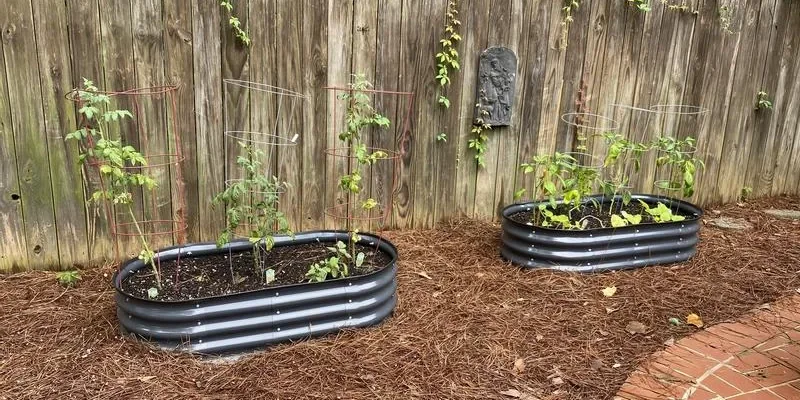
A watering schedule that worked in spring may not suit a planted bed in warm weather. With a metal raised garden bed, the useful question is what is happening in the growing medium—not simply whether the outside panel feels warm.
Check moisture where the roots are growing
University of Minnesota Extension notes that raised beds can dry faster than in-ground gardens and may need more frequent watering. It also recommends applying water close to the soil to reduce splashing onto leaves. Read its watering guidance.
Inspect more than one point in the bed. The visible surface alone may not describe moisture below it, and different planting areas may behave differently. Ask a local gardening adviser how to assess moisture for your crops and soil mixture rather than choosing a fixed number of minutes for every bed.
Make the water supply accessible
Plan the route from the tap before the plants fill out. Keep hoses out of regular walking paths where possible, and avoid resting them across a metal edge in a way that causes abrasion or strain. Use compatible supports or fittings recommended for the arrangement.
For several beds, label irrigation zones and make shut-off points easy to reach. A system that requires stepping into the planting area to adjust a connector is inconvenient to inspect and maintain.
Match equipment to the layout
Ask the irrigation supplier to check pressure, flow and the proposed run lengths for the equipment you select. An oval bed, a divided bed and a long rectangular bed may require different layouts to place water where the crops need it.
If you use a timer, observe the result before leaving it to run unattended. Check for leaks, blocked outlets and areas that remain dry. Reassess the settings after planting changes or a change in weather; automation does not eliminate the need to look at the bed.
Keep the growing plan in view
Group plants and watering arrangements thoughtfully, with advice suited to the crops and local climate. Consider how mature foliage will affect access to connectors. Keep a short record of observations so a change in watering can be evaluated rather than repeated from habit.
Do not alter the metal panels to mount equipment without checking the product instructions. Where supports are needed, ask whether approved accessories or independent supports are appropriate. Keep the bed’s structural components available for their intended function.
When choosing from the metal raised garden bed range, consider access to water alongside the available space. You can request the model drawing to plan hose routes and planting areas before assembly. A bed that is straightforward to water and inspect is easier to manage through the season.