 GET QUOTE
Drainage Planning for Metal Raised Garden Beds
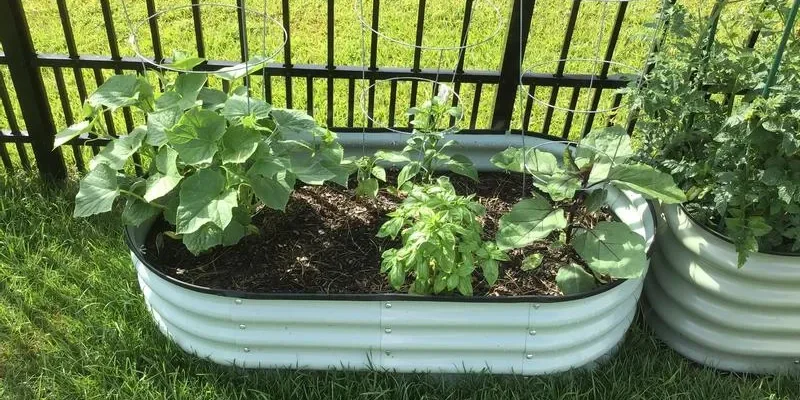
An open bottom does not answer every drainage question. Water still has to pass through the growing medium and leave the site. Before filling a metal raised garden bed, check the ground beneath it and the base design of the actual model.
Identify the base arrangement
Ask whether the bed is open underneath, has a separate bottom panel, or uses a planting insert. Product photographs often show the walls more clearly than the base, so request a drawing if the answer is unclear.
A metal bed placed on garden soil and a metal planter with a bottom panel should not be treated as the same system. Confirm the intended installation surface and whether the supplied instructions call for a liner or any preparation beneath the bed.
Consider the existing ground
For an open-bottom installation, inspect the position after rainfall before assembling the bed. Note standing water, runoff from adjoining surfaces and changes in level. Ask for local gardening advice if the site already has a drainage problem rather than expecting taller metal walls to solve it.
Plan the final location so the bed does not block an existing drainage route. Keep access to nearby drains and inspection points. If several beds share a path, consider where water will collect between them as well as inside each growing area.
Make a separate plan for paving
University of Minnesota Extension recommends a water-permeable material, rather than impermeable plastic, where a bottom liner is used to retain soil in a raised bed on a patio. The outlet route still needs to be considered. Read the liner guidance.
Check where water would emerge and whether it could carry soil onto a walkway. Position the bed so discharge can be managed without creating a nuisance at a door or neighbouring property. Follow the model’s instructions rather than sealing the base simply to keep the paving clean.
Inspect before and after filling
Check that any designed drainage openings are clear. Do not drill new openings through finished panels without approval from the supplier. Such changes may affect the coating or depart from the intended base construction.
Once filled and watered, observe the installation rather than assuming it performs as planned. Keep records of persistent wet spots and ask for advice that considers both the growing medium and the site. Watering practice and drainage should be reviewed together.
Browse the metal raised garden bed collection with your installation surface in mind. When you request a quotation, state whether the bed will stand on soil, ground-level paving or an elevated structure. Include a site photograph and ask for the base details before you choose the final size.