 GET QUOTE
Build a Retail Range of Metal Raised Garden Beds
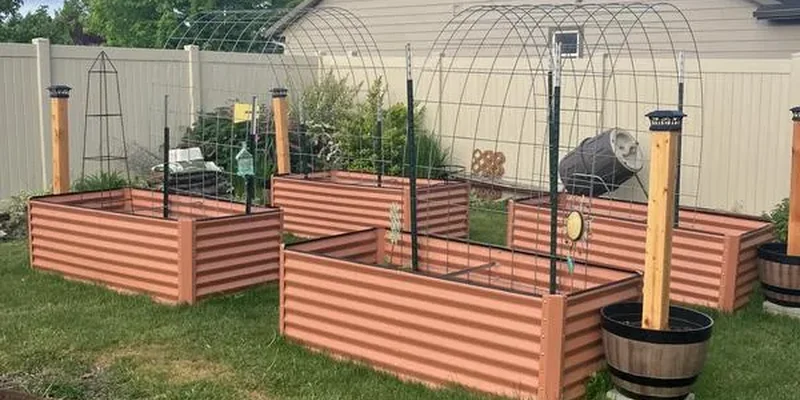
A larger catalogue is not always an easier catalogue to sell. When several metal raised beds differ only slightly in dimensions, customers may struggle to choose and warehouse teams have more cartons to distinguish. Give each model a clear role before adding another size.
Organise the range around customer needs
Consider the spaces your customers typically have and how they intend to use the beds. A compact model, a larger growing area and a taller option may answer different requests. Validate those requests with your sales channel instead of assuming that the biggest model should lead the range.
For every option, explain the complete footprint and usable planting space. Include the assembled height and a clear drawing of the shape. If a model can be configured in several ways, show only arrangements approved for that kit and identify the parts required.
Make product information consistent
Use the same measurement conventions across listings. Distinguish external dimensions from internal dimensions and identify the base arrangement. State what arrives in the carton, including supports and edge protection where supplied.
Ask for material and finish documentation for each model rather than copying details from the nearest-looking product. Do not carry a coating, thickness or warranty claim across the entire range without confirmation that it applies to every item.
Photographs should show the actual metal configuration being sold. A garden scene can explain the setting, while a clean product view makes the outline and connections easier to understand. Label optional accessories so a buyer does not mistake them for included parts.
Review cartons alongside the assembled beds
Ask the warehouse team to review carton labels and model codes. Similar-looking boxes need clear identification, especially when several colours or heights are stocked. Confirm the packed dimensions and gross weight for each approved version.
Discuss protection for coated panels and how small components are packed. Open a sample carton using the customer-facing instructions, then assemble the contents. Record questions that could become customer-service enquiries and resolve them before finalising the packaging artwork.
Keep after-sales support manageable
Maintain a model-specific parts list with illustrations and revision details. Check how a customer can identify a missing connector or damaged panel. Agree a process for reporting problems and requesting replacement parts, including the information needed from the carton label.
Review the range after actual customer feedback becomes available. Keep notes on assembly questions, confusing dimensions and frequently requested sizes. That evidence is a more useful basis for adding a new model than expanding the catalogue simply to increase the item count.
Use the SeeYes Garden metal raised bed collection to build a shortlist, then send a wholesale brief with the target market, sales channel and proposed quantities. Ask for a quotation that identifies each configuration and its packaging so the comparison remains clear from sample approval to warehouse receipt.